

Most restaurant owners think brand identity means a logo and a color scheme. It means much more than that. What is brand identity for restaurants, really? It's the complete system of signals, from what guests see on your signage to how your servers talk about the menu, that shapes how people feel about your business before, during, and after every visit. Get it right, and guests return without being asked. Get it wrong, and no amount of great food closes the gap.
Table of Contents
- Key takeaways
- What brand identity for restaurants actually means
- Why brand identity directly affects your revenue
- How to create a restaurant brand: process and timeline
- Elements of restaurant brand identity explained
- Applying your brand identity across operations
- My perspective on where restaurants go wrong with branding
- How Witsendsolutions helps you build your brand
- FAQ
Key takeaways
| Point | Details |
|---|---|
| Brand identity is a system | It covers visual, verbal, and experiential layers working together, not just a logo. |
| Emotion drives decisions | 90% of consumer choices are emotional, making resonant branding a direct revenue driver. |
| Start before you open | Brand strategy should shape your menu, interior, and hiring before operational decisions are locked in. |
| Consistency prevents dilution | Every touchpoint, from packaging to staff behavior, must reflect the same core identity. |
| Strong brands earn more | Businesses with consistent branding see up to 23% higher revenue than those without it. |
What brand identity for restaurants actually means
The restaurant branding definition most people use is too narrow. Brand identity is not just a visual package. According to foundational branding research, brand identity is a system of visual, verbal, and experiential signals that create recognition and trust. In a restaurant context, those three layers work together constantly.
The visual layer is the most familiar: your logo, color palette, typography, menu design, uniforms, and interior aesthetic. But even within visuals, the choices run deep. The font on your menu sends a message. So does the weight of the paper it's printed on.
The verbal layer is where many operators leave value on the table. Your brand voice covers how you write Instagram captions, how your host greets guests at the door, and how your team describes dishes. Verbal identity shapes customer expectations before guests ever walk in, across every digital touchpoint they encounter first.
The experiential layer is what turns first-time visitors into regulars. It includes service style, pacing, ambiance, even how a complaint gets handled. These three layers, when aligned, create something guests recognize and trust without being able to fully explain why.
"Brand identity captures the firm's intended meaning but often suffers from gaps between intention and consumer perception." — Harvard Business School Online
That gap is the problem most restaurants face. They have intentions for their brand. Their guests experience something different. Closing that gap is the real work of brand identity.
Why brand identity directly affects your revenue
The importance of brand identity goes well past aesthetics. The numbers are clear. Businesses with consistent branding see a 23% revenue lift compared to those with fragmented or inconsistent brand expression. For a restaurant operating on thin margins, that figure deserves serious attention.
The mechanism behind that lift is emotional. Research shows that 90% of consumer decisions are driven by emotion rather than rational analysis. Guests are not choosing your restaurant because they've evaluated the protein-to-price ratio on your menu. They're choosing it because of how it makes them feel. Brand identity is what creates and maintains that feeling consistently.
Here's what a strong brand identity does for your business in practical terms:
- Increases repeat visits by making guests feel a sense of familiarity and belonging
- Justifies premium pricing because perception of quality is built before the first bite
- Makes word-of-mouth referrals more effective because guests can describe your restaurant clearly
- Reduces marketing spend over time as recognition builds organically
- Attracts staff who align with your culture, which lowers turnover
Restaurant culture is also shifting toward experience-driven loyalty, moving away from short-term viral social media hype. That means the restaurants winning long-term are the ones with genuine, consistent identities, not the ones chasing trends on Instagram.
How to create a restaurant brand: process and timeline
Understanding how to create a restaurant brand requires a realistic picture of what the process actually involves. It is not a weekend project, and it is not just hiring a designer to make a logo.
A professional brand identity engagement typically spans 6 to 12 weeks and covers discovery, strategic alignment, and multi-touchpoint design. Here's what a well-structured process looks like in sequence:
- Brand discovery. Define your restaurant's mission, values, and positioning. Who are you for? What do you stand for? What experience do you promise?
- Competitive analysis. Understand how comparable restaurants in your market present themselves so you can differentiate clearly.
- Strategy development. Translate your discovery findings into a brand platform: your voice, your story, your visual direction.
- Visual identity design. Create the logo, color system, typography, and supporting graphic elements.
- Verbal identity development. Write brand voice guidelines, key messaging, and sample copy for menus, signage, and digital platforms.
- Application and rollout. Apply the identity across every touchpoint: physical, digital, and operational.
One of the most common and costly mistakes in this process is delay. Many operators skip brand strategy before making operational decisions, which leads to expensive rebranding later and experiences that feel disconnected. Your brand should be informing your interior design choices, your menu format, and your hiring criteria, not the other way around. You can explore the full restaurant launch sequence to see how brand strategy fits into the broader opening process.
Pro Tip: Before you design a single visual element, write a one-paragraph description of how you want a first-time guest to feel when they walk out after their first visit. Every brand decision should serve that feeling.
Elements of restaurant brand identity explained
The elements of restaurant brand identity fall into three categories, but understanding how they interact is where most operators find clarity. Let's look at each category with real-world framing.
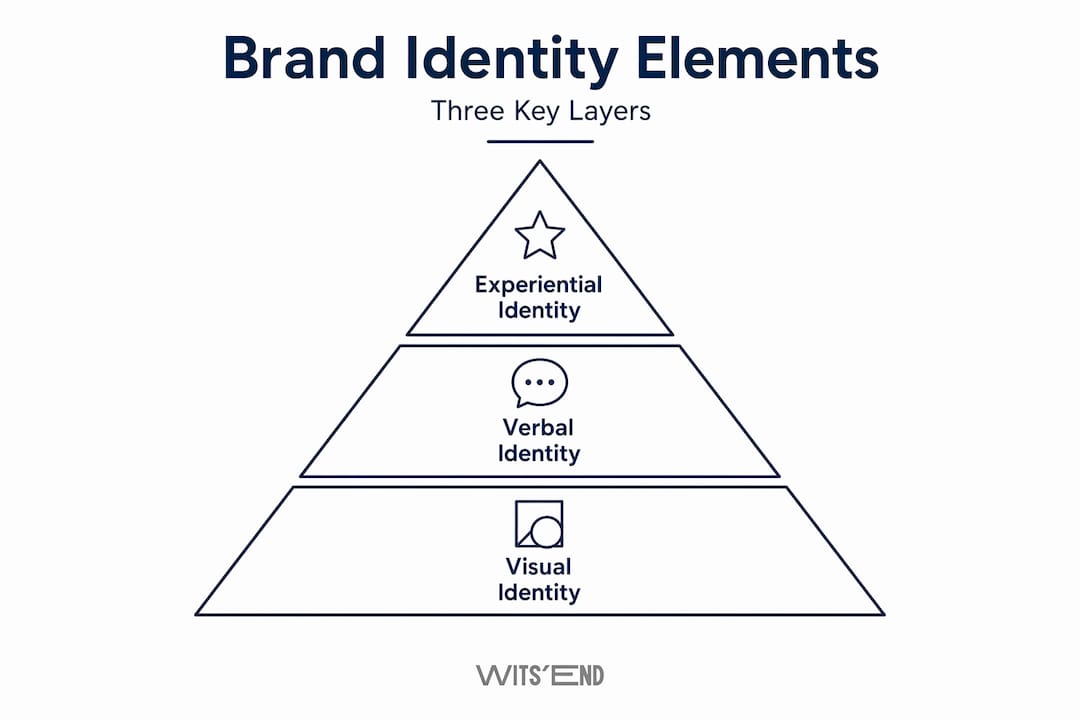
| Category | Elements | Guest Impact |
|---|---|---|
| Visual identity | Logo, colors, typography, interior design, packaging, uniforms | Creates first impressions and drives recognition |
| Verbal identity | Brand voice, menu language, social media tone, staff scripts | Shapes expectations and emotional resonance |
| Experiential identity | Service style, pacing, ambiance, complaint resolution | Drives loyalty and word-of-mouth referrals |
Visual identity is the entry point. A guest sees your exterior signage, your social media profile, or your takeout bag before they taste anything. These visual cues communicate quality, price point, and personality instantly.
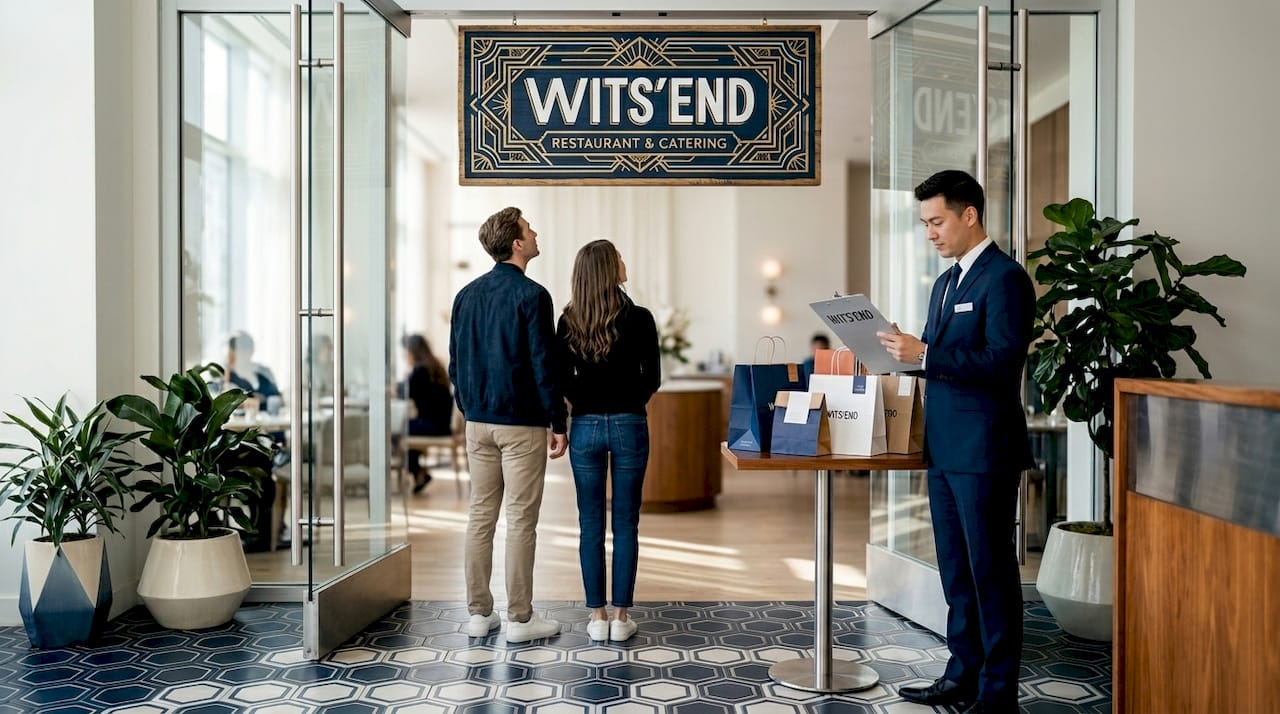
Verbal identity is what brings your restaurant to life in words. Think about the difference between a menu that says "grilled chicken" and one that says "free-range chicken, charred over hardwood, with herb butter." Both describe the same dish. One builds anticipation and communicates values. Your verbal identity does the same work across every written and spoken touchpoint.
Experiential identity is the hardest to standardize but the most powerful. The way a host makes a reservation call feel warm and personal, the way your team handles a wrong order with grace, the specific playlist energy on a Friday night: these are brand identity in action, experienced live. Restaurant identity examples that consistently generate loyalty, like strong neighborhood dining institutions, almost always have this experiential layer locked in.
Applying your brand identity across operations
Knowing what your brand identity is and actually living it in daily service are two different challenges. Building a restaurant brand strategy is only as valuable as the consistency with which you execute it.
Authentic brand identity is not maintained through slogans. It's maintained through consistent brand behavior across every team member and every location. That means your brand guidelines need to go beyond a PDF in a drawer. They need to be part of onboarding, part of pre-shift conversations, and part of how you evaluate performance.
Some practical ways to reinforce brand consistency across your operation:
- Use brand voice examples in server training so staff know how to describe dishes in a way that matches your restaurant's personality
- Audit every customer touchpoint quarterly: website, reservations, host greeting, table setting, check presentation, takeout packaging
- Brief your social media manager with the same brand voice guidelines your front-of-house team uses
- Treat interior refresh decisions (new artwork, updated menus, seasonal decor) as brand decisions, not just operational ones
Pro Tip: Brand dilution rarely happens all at once. It usually creeps in through small inconsistencies: an off-tone social post here, a casual uniform modification there. Assign someone on your team ownership of brand standards, even if informally.
What makes a strong restaurant brand, ultimately, is the alignment between what you intend and what guests actually experience. Reviewing customer experience best practices alongside your brand work keeps both sides of that equation sharp.
My perspective on where restaurants go wrong with branding
I've spent years working alongside restaurant owners at every stage of their business, from pre-opening concept work to turnaround engagements mid-operation. The pattern I see most often is not a lack of care about branding. It's a misunderstanding of where branding lives.
Owners invest in a great logo, maybe a solid website, and then treat the brand as finished. What I've found is that the brand isn't finished until the last person on your team understands it well enough to make real-time decisions that honor it. That's a training and culture challenge more than a design challenge.
I've also seen operators fall into the trap of chasing experience-driven loyalty without the internal alignment to deliver it. They build a beautiful brand book and then run daily operations in a way that contradicts it entirely. The gap between the brand they describe and the brand guests actually experience is where trust erodes.
My honest advice: treat your brand identity as a living operational document, not a marketing artifact. Revisit it when you change your menu, when you hire a new manager, when you expand to a second location. The brand should grow with the business. But it should always grow intentionally, with the same rigor you bring to your P&L.
— Chris
How Witsendsolutions helps you build your brand
If this article has made one thing clear, it's that building a restaurant brand takes more than good design instincts. It takes strategy, operational alignment, and a team that has done this work before.
Witsendsolutions works with restaurant owners and operators across the United States to develop brand identities that actually function in a real service environment. From brand design and development to full concept creation and operational rollout, the Wits' End team brings both creative and operational experience to every engagement. The work covers discovery, strategy, visual and verbal identity, and the team training that makes it all stick. If you're building a new concept or rethinking an existing one, Wits' End is the partner that stays alongside you from the first sketch through years of service. Reach out to start a conversation about your brand.
FAQ
What is brand identity for restaurants?
Brand identity for restaurants is the complete system of visual, verbal, and experiential signals that shape how guests perceive and connect with your business. It includes your logo and design, your team's communication style, and the feeling guests have every time they interact with your restaurant.
Why does brand identity matter for a restaurant's bottom line?
Consistent branding is directly tied to revenue. Businesses with cohesive brand identities report up to 23% higher revenue than competitors with inconsistent branding, and emotionally resonant brands drive repeat visits and word-of-mouth referrals.
When should a restaurant develop its brand identity?
Brand identity should be developed before operational decisions like menu design, interior buildout, and hiring. Starting early means every decision reinforces the same guest experience rather than working against it.
What are the core elements of restaurant brand identity?
The core elements include visual identity (logo, colors, typography, interior design), verbal identity (brand voice, menu language, digital messaging), and experiential identity (service style, ambiance, and how your team interacts with guests).
How do you maintain brand identity across multiple locations or over time?
Consistent brand behavior across all team members and locations is what keeps brand identity intact. Embed your brand standards into onboarding, pre-shift training, and regular audits of every guest touchpoint rather than treating them as a one-time creative exercise.