
A weekend brunch program in an NYC hotel is absolutely launchable, but only after you've locked in permits, chosen your service model, and stood up your reservations and POS stack. Skip any of those three and you're not opening, you're stalling.
Before you take a single cover, complete these steps:
- Secure your NYC liquor license, health permit, occupancy permit, and confirm zoning allows a dining outlet
- Decide drink-only vs. full kitchen: beverage-first programs carry higher gross margins and lower insurance exposure; adding a kitchen opens room service and delivery revenue but raises staffing and premium costs
- Configure Toast POS and your reservations system before service begins; Chris's Toast Reservation System Setup Guide is the clearest operator-level implementation reference available
- Confirm staffing headcount, labor law compliance for weekend shifts, and insurance coverage changes if a kitchen is involved
On timing: the standard NYC hotel brunch window runs 11:00 AM–3:00 PM, with properties like The View at the New York Marriott Marquis scheduling covers from 11:00 AM–2:00 PM. That four-hour window shapes your shift structure, covers pacing, and how you handle NYC's spread-of-hours rules for tipped employees.
Pro Tip: Overstaffing by 10–15% on your first two to three weekends protects service quality while your team learns the pacing curve.
Table of Contents
- How should your menu be built from POS data?
- What does a realistic launch timeline and budget look like?
- How do modular setups let you flip the space quickly?
- What marketing actually drives weekend brunch covers in NYC?
- How do you position against NYC's brunch competition?
- How should you manage brunch suppliers and inventory?
- What pricing strategy works for NYC hotel brunch?
- Wits' End Solutions can stand up your brunch program
- Key Takeaways
How should your menu be built from POS data?
Menu and beverage programs built from POS pacing reports outperform those built from operator preference alone. Pull covers-per-hour curves and same-period-last-year trends to create 30-minute staffing grids. High-performing NYC hotel brunches, like The Peninsula's Sunday buffet with more than 40 culinary offerings and bundled bottomless beverage packages, use that data to align station staffing with demand peaks. Start with your top five to seven POS sellers from breakfast or dinner service and build the brunch menu around proven movers, not aspirational dishes.

What does a realistic launch timeline and budget look like?
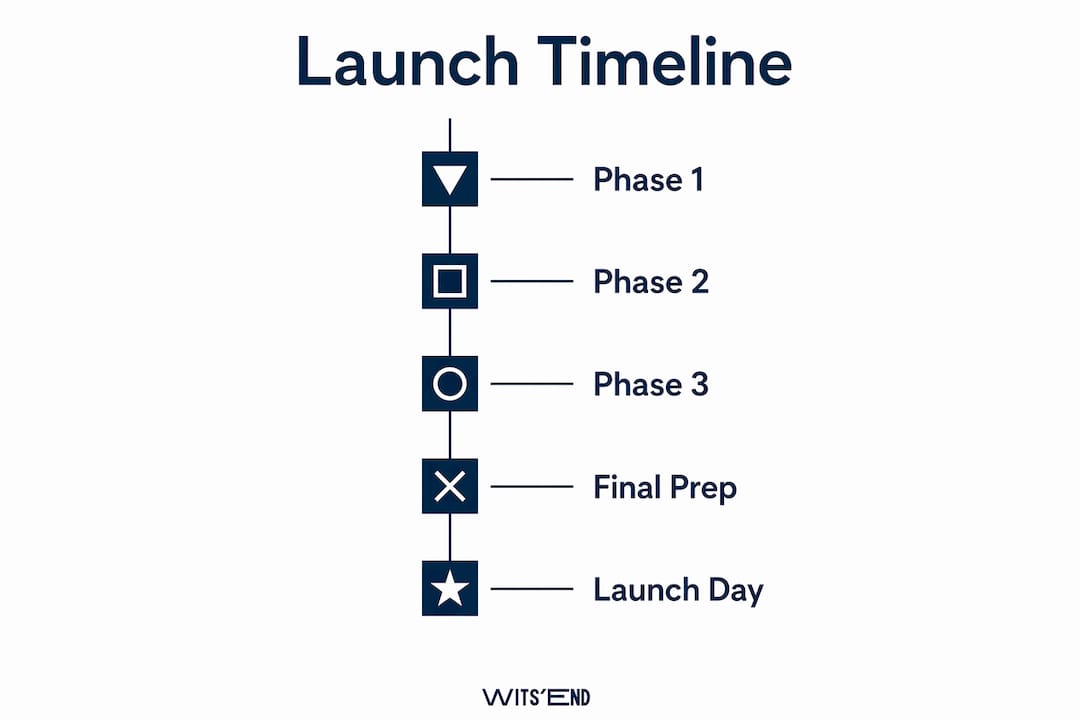
A phased approach cuts upfront capital and de-risks the launch. Phase 1 (weeks 1–6): permits, POS configuration, drink-first service with a tight food menu. Phase 2 (weeks 7–16): kitchen build-out or expanded buffet, full staffing model, and analytics review via Ingest. Recurring costs to model include labor (typically your largest line), linen and smallwares, beverage inventory, and POS subscription fees. Upfront costs vary by whether you're activating an existing space or building out a kitchen; a drink-first pop-up can launch with significantly lower CAPEX than a full buffet operation.
How do modular setups let you flip the space quickly?
Mobile bar carts and modular furniture let luxury hotels reconfigure a single space for breakfast, brunch, and private events without permanent construction. Pre-set stations, service carts, and mobile bars shorten turnover between brunch and evening events, which increases your usable event inventory per week. The operational payoff: reduced staff movement, faster service, and no damage to hotel interiors.
What marketing actually drives weekend brunch covers in NYC?
Geo-targeted social ads, Resy or OpenTable profile optimization, and hotel package bundling (like 33 Hotel's bottomless brunch getaway at $70 per guest) are the three levers that move covers fastest. Guest acquisition tactics tied to apps like inKind can accelerate early traction. Live programming, as The Roxy Hotel demonstrates with Saturday and Sunday jazz from 12:00 PM–2:30 PM, differentiates your brunch from the dozens of competitors within walking distance.
How do you position against NYC's brunch competition?
NYC's hotel brunch market segments clearly: luxury buffet (The Peninsula, Four Seasons), experience-led (The View's 47th-floor rotating restaurant), and neighborhood-casual (The Roxy). Pick one lane and own it. Trying to compete across all three dilutes your concept and your marketing spend. Review your comp set's pricing, timing, and programming before finalizing your own, and identify the one differentiator, whether that's a live music format, a hyper-local menu, or a hotel-stay bundle, that you can sustain operationally.
How should you manage brunch suppliers and inventory?
Broad supplier networks reduce the risk of a single vendor disrupting your service. For brunch specifically, tier your sourcing: a primary produce vendor, a backup, and a specialty supplier for premium items like smoked fish or artisan pastries. Pair that with weekly inventory counts tied directly to your POS data so you're ordering to actual demand, not to habit. Current gastronomy trends favor locally sourced, seasonal ingredients, which also gives your menu a marketing angle.
What pricing strategy works for NYC hotel brunch?
NYC hotel brunch pricing clusters around three models: à la carte, prix fixe, and bundled packages. Bottomless beverage add-ons, priced as a premium offering at properties like 33 Hotel, drive both check average and perceived value. Prix fixe formats simplify kitchen execution and improve covers-per-hour predictability. Test price elasticity by running a slightly higher price point on one weekend and measuring cover volume against the prior week in your POS. If volume holds, the price holds.
Wits' End Solutions can stand up your brunch program
Launching a brunch program in NYC involves more moving parts than most operators anticipate. Wits' End Solutions handles the full setup: permits checklist, concept and brand development, staffing models, Toast configuration, and post-launch measurement through our Ingest analytics platform. Our engagement models range from a focused advisory sprint to an embedded task force that stands up your operation on property. Every recommendation comes from operators who have run these programs themselves. Contact Wits' End Solutions at witsendsolutions.com to schedule a diagnostic call.
Key Takeaways
A successful NYC hotel brunch program requires permits, a defined service model, and POS infrastructure in place before the first cover is seated.
| Point | Details |
|---|---|
| Permits before everything | Liquor, health, occupancy, and zoning approvals must be secured before service begins. |
| Phased launch cuts risk | Start drink-first with a tight menu; expand to full kitchen in phase 2 to reduce upfront CAPEX. |
| POS data drives the menu | Build your brunch menu from covers-per-hour and POS sales data, not operator preference. |
| Standard NYC window: 11 AM–3 PM | Schedule shifts, staffing grids, and reservation slots around this operator-standard service window. |
| Wits' End Solutions | Provides end-to-end brunch launch support: permits, Toast setup, staffing, and Ingest-powered analytics. |