
TL;DR:
- Effective senior leadership in hospitality influences staff retention, operational consistency, and guest satisfaction. Leadership styles like transformational and servant leadership provide various operational benefits depending on the property’s needs, while crisis leadership requires ongoing development in emotional regulation and ethical decision-making. Building leadership capacity involves structured training, real-time coaching, and balancing digital skills with emotional intelligence.
Senior leadership in hospitality is defined as the executive and management layer responsible for setting culture, directing operations, and ensuring consistent guest experiences across every department. The role of senior leadership in hospitality goes well beyond titles and org charts. Leadership failure, not labor shortage, is the core driver of the industry's ongoing retention and performance problems. Hotels and restaurants with strong senior leaders show measurably better staff retention, lower training costs, and higher guest satisfaction scores. The executives who understand this treat leadership development as a core operating function, not an HR afterthought.
How does senior leadership shape staff development and operational consistency?
The most direct impact of senior leadership in hotels and restaurants is on the people doing the work every day. When leaders set clear service standards, coach in real time, and hold teams accountable with consistency, turnover drops and operational quality rises. Consistent service standards do not maintain themselves. They require a leader who shows up, reinforces expectations, and corrects drift before it becomes habit.

One of the most damaging patterns in hospitality is promoting high-performing individual contributors into management roles without preparing them to lead. Promoting managers based solely on tenure without leadership readiness coaching produces disengaged teams and accelerates turnover. A server who excels at table management does not automatically know how to run a pre-shift, deliver feedback, or manage a conflict between two line cooks. That gap is a leadership responsibility to close.
Responsible leadership also shapes how employees perceive the meaning of their work. Responsible leadership builds work meaningfulness and aligns with person-environment fit, which in turn increases employee ambidexterity. Ambidexterity here means the ability to handle both routine tasks and unexpected challenges without breaking down. That versatility is exactly what a hotel front desk or a busy restaurant floor demands every shift.
Pro Tip: Build a leadership readiness checklist before promoting any team member into a supervisory role. Include coaching skills, conflict resolution, and accountability tools. Skipping this step is the single fastest way to lose your best line-level employees.
Key behaviors that define effective senior leadership in operations:
- Setting written service standards and reviewing them with teams regularly
- Coaching in the moment rather than saving feedback for annual reviews
- Creating accountability structures that support managers, not just evaluate them
- Recognizing and developing high-potential employees before they disengage
- Modeling the culture you want the property to reflect
What leadership styles work best across hospitality departments?
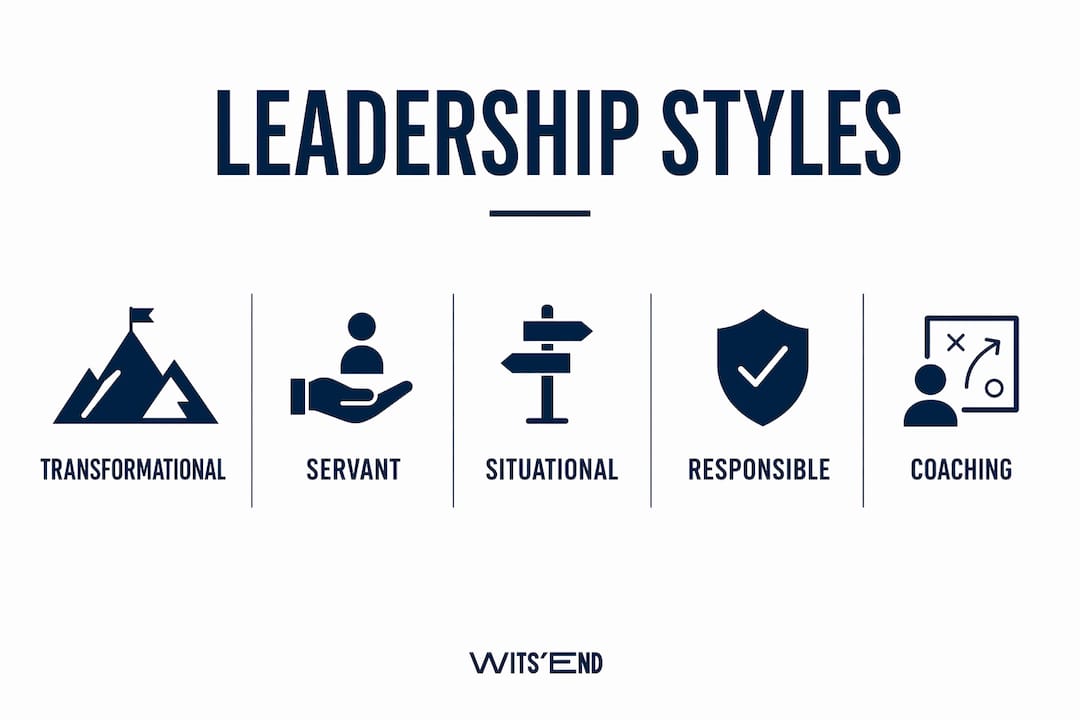
Leadership style is not a personality trait. It is a tool, and the best senior leaders in hospitality know which tool fits which situation. Research comparing leadership styles in hotel settings shows that transformational leadership drives staff development satisfaction, while transactional leadership aligns more closely with salary and rewards satisfaction. Democratic leadership shows variable results depending on hotel size and the maturity of the HR infrastructure in place.
Servant leadership deserves particular attention because it functions as a performance driver, not just a management philosophy. Servant leadership reduces absenteeism and improves operational performance by prioritizing staff support and development. That is a measurable operational outcome, not a soft benefit.
| Leadership style | Best application | Primary benefit |
|---|---|---|
| Transformational | Staff development, culture building | Higher management and team satisfaction |
| Transactional | Incentive programs, performance targets | Salary and rewards satisfaction |
| Democratic | Mature teams with HR support | Collaborative decision-making |
| Servant | Daily operations, workforce stability | Reduced absenteeism, stronger retention |
| Responsible | Innovation-focused environments | Employee ambidexterity and ethical behavior |
Situational leadership theory alone is not enough. Effective leadership training must incorporate contextual factors: property type, team composition, organizational culture, and the specific pressures of the department. A banquet operation runs differently than a boutique front desk, and the leadership approach should reflect that difference.
Responsible leadership stands out in the research for its connection to employee innovation. When leaders model ethical behavior and create environments where people feel psychologically safe, person-environment fit amplifies the positive effects of that leadership on both work meaningfulness and creative problem-solving. That matters in hospitality, where every shift produces novel situations that no manual fully covers.
How do senior leaders navigate crises in hospitality?
Crisis leadership in hospitality is a distinct discipline from standard crisis management. Crisis management focuses on protocols and procedures. Crisis leadership focuses on the human dimensions: how leaders regulate their own emotions, communicate under pressure, and make ethical decisions when the stakes are high and the information is incomplete.
A cyclical model of crisis leadership built specifically for hospitality identifies three phases that repeat across every crisis: foresight, action, and learning. This is not a linear checklist. It is a continuous loop that effective leaders run before, during, and after any disruption.
The three phases work as follows:
- Foresight. Senior leaders scan for early warning signals, assess vulnerabilities in staffing, supply chains, and guest-facing operations, and build contingency thinking into regular planning cycles.
- Action. During a crisis, leaders regulate their emotional responses, communicate transparently with staff and guests, and make decisions that reflect both operational necessity and ethical responsibility.
- Learning. After the crisis, leaders conduct structured reviews, document what worked and what failed, and update training and protocols accordingly.
"Crisis leadership in hospitality must be understood as a dynamic, relational process. Emotional regulation, ethical decision-making, and strategic adaptability are not optional competencies. They are the foundation of effective leadership when operations are under pressure." Reconceptualising crisis leadership in hospitality
The public-facing nature of hospitality amplifies every leadership decision during a crisis. A general manager who visibly panics, communicates inconsistently, or makes decisions that appear self-serving will lose the trust of both staff and guests quickly. The role of customer service in hospitality during a crisis depends entirely on whether frontline teams feel supported and directed by leadership. That support starts at the top.
What practical strategies can senior leaders implement to improve operations?
Effective senior leadership in hotels and restaurants requires more than good instincts. It requires a structured approach to developing leaders at every level of the organization. The most effective operators build leadership development into their operating calendar, not just their onboarding program.
Hotel staff training programs that contextualize leadership theory with real property conditions outperform generic training curricula. A training manual that teaches situational leadership without addressing the specific pressures of a 300-room full-service hotel versus a 40-room boutique property will not produce the behavior change operators need.
Pro Tip: Pair every new manager with a senior leader for a structured 90-day coaching period. Define specific accountability milestones at 30, 60, and 90 days. This single practice reduces early management turnover more than any compensation adjustment.
Practical strategies that produce measurable results:
- Integrate leadership readiness assessments into promotion decisions, not just performance reviews
- Use deep analytics and advising to track correlations between leadership behaviors and operational KPIs like turnover rate, guest satisfaction scores, and labor cost percentage
- Build person-environment fit into hiring by assessing whether candidates' values align with the property's culture before extending offers
- Develop digital literacy alongside emotional intelligence, since modern hotel managers need both to meet evolving guest and staff expectations
- Create feedback loops between frontline staff and senior leadership to surface operational problems before they become guest-facing failures
Digitalization has not replaced the need for personal leadership. Hotel managers in the digital age must combine professional knowledge, digital skills, and emotional intelligence. Technology handles data. Leadership handles people. Both are required.
Key Takeaways
Senior leadership in hospitality directly determines staff retention, operational consistency, and guest experience quality across every property type and service model.
| Point | Details |
|---|---|
| Leadership drives retention | Clear standards and real-time coaching reduce turnover more than compensation adjustments alone. |
| Style must match context | Transformational, servant, and responsible leadership each produce distinct operational benefits depending on department and property type. |
| Crisis leadership is a skill | Foresight, action, and learning form a cyclical model that senior leaders must practice before a crisis arrives. |
| Promotion without readiness fails | Advancing team members without leadership coaching produces disengagement and accelerates turnover. |
| Digital and human skills both matter | Effective hotel managers combine digital literacy with emotional intelligence to lead modern teams. |
What I've learned watching leadership make or break hospitality operations
The most common mistake I see in hospitality is treating leadership as a reward rather than a responsibility. An operator promotes their best bartender or most reliable front desk agent into a supervisory role, gives them a new title, and then wonders why the team starts falling apart within six months. The problem was never the person. The problem was the absence of any real preparation for what leadership actually requires.
The research on responsible leadership resonates with me because it names something I have observed repeatedly: when leaders model ethical behavior and create genuine psychological safety, their teams become more capable, not just more compliant. That distinction matters enormously in hospitality, where the gap between a compliant team and a capable one shows up in every guest interaction.
What I find most underappreciated is the crisis leadership dimension. Most operators build crisis management plans. Very few build crisis leadership capacity. The cyclical model of foresight, action, and learning is not complicated, but it requires senior leaders to treat their own development as seriously as they treat their P&L. The properties that come through disruptions intact are almost always the ones where the leadership team had already done that work.
The future of senior management roles in hospitality belongs to leaders who combine operational discipline with genuine emotional intelligence. Neither alone is sufficient. Both together are rare, and that rarity is exactly why investing in leadership development produces a real competitive advantage.
— Chris
How Wits' End Solutions supports senior hospitality leadership
Building strong leadership capacity requires the right infrastructure behind it. Wits' End Solutions works with hotel and restaurant operators across the United States to develop the systems, training, and analytics that support senior leaders at every stage of the business lifecycle. From hotel and restaurant training programs that build management readiness to task force support that places experienced operators directly on property, the work is grounded in real operational experience. If your leadership structure needs a clear-eyed assessment and a practical path forward, Wits' End Solutions is the partner built for that conversation.
FAQ
What is the role of senior leadership in hospitality?
Senior leadership in hospitality defines organizational culture, sets operational standards, and drives staff development and guest experience quality. Leadership effectiveness directly determines retention rates, team performance, and long-term business outcomes.
Which leadership style is most effective in hotels?
Transformational leadership produces the strongest results for staff development and management satisfaction, while servant leadership measurably reduces absenteeism and improves operational stability. The most effective approach depends on property type, team maturity, and departmental context.
How does leadership affect staff retention in hospitality?
Promoting managers without leadership readiness coaching accelerates disengagement and turnover. Leaders who set clear standards, coach consistently, and build accountability structures retain teams at significantly higher rates.
What makes crisis leadership different from crisis management in hospitality?
Crisis management focuses on protocols and procedures. Crisis leadership addresses emotional regulation, ethical decision-making, and strategic adaptability as a dynamic, relational process specific to public-facing hospitality environments.
Why do digital skills matter for hospitality leaders today?
Modern hotel managers must combine professional knowledge, digital literacy, and emotional intelligence to meet evolving guest and staff expectations. Digitalization has expanded the skill set required but has not replaced the need for personal, human-centered leadership.